
The world in horror
Most people in the world today consider psychosurgery a barbaric treatment with roots back to dark times in our history as Man.
As described by Lindsay Toler at Very Well Mind, at the forefront of psychosurgeries in modern times were the lobotomy, which is “a surgical procedure that involves severing the nerve pathways in the prefrontal cortex.”
Since the prefrontal cortex is “the front part of the frontal lobe that governs executive functions like planning, decision-making, impulse control, and working memory,” it is easy to see that cutting nerve pathways in it would be a terrible.
While practitioners stayed away from keeping accurate records of results, most patients were left with reduced mental function, flat emotions, and difficulty living independently. Not to mention, other serious risks that were common, such as:
- Brain infections
- Changes in language abilities
- Cognitive impairment
- Loss of bladder and bowel control
- Muscle weakness
- Personality changes
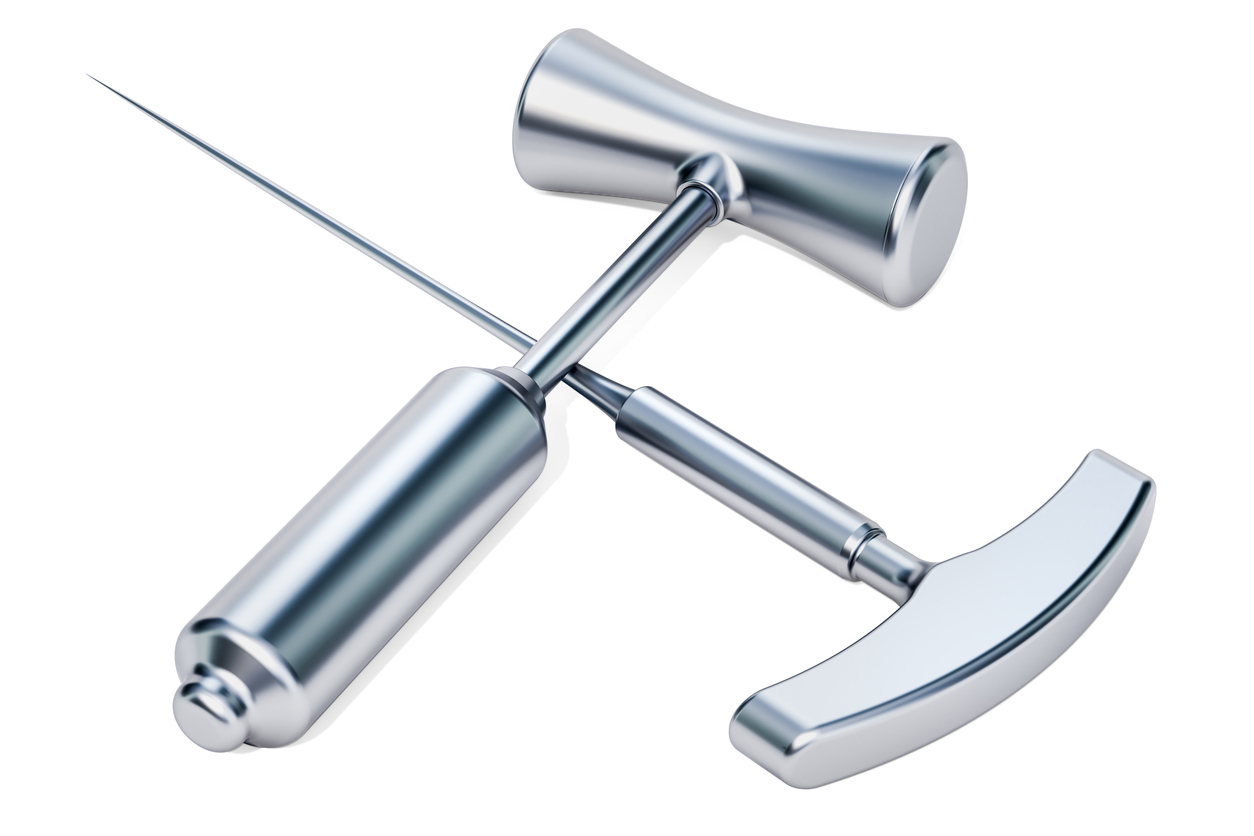
Emma Dibdin from Psych Central concurs that nowadays many people widely consider it barbaric and unnecessary. She also explains that there were two approaches: cutting through the skull (prefrontal lobotomy) or reaching through the eyeballs (transorbital lobotomy).
Shockingly, while it is banned in the US and many other countries, there are still places in the world where it is allowed as a procedure.
Cruelty over the ages
As Robert Whitaker covers in his book titled Mad in America, there has been a thread of barbaric cruelty performed on those whom the society did not see as meeting the norm. In the Colonial times, spinning in a gyrator were a method of such “treatment” that we would now just call torture.
Subsequently, there were other brutalities such as chilling ice baths, dental extractions, therapeutic sterilization, insulin coma and electroconvulsive treatment. As the society came to a shock or was startled by each of the new “treatments”, newer and newer methods were then put to use.
All of this finally brought us to the typical antipsychotics and their new generation cousins. Softened descriptions of newer treatments have also arisen, possibly to circumvent the outcries from society.
Lives Brutally Impacted
While there is an avalanche of personal experiences that have been told, one story to be mentioned here is Cathy Wield. She describes heart-wrenchingly her personal experiences first as a patient herself having received psychosurgery, and then as a provider in an institution. She affirms that the field of psychiatry has been a status quo where practitioners might see the wrong in their treatments but are afraid to speak up against it for fear of losing their career: the only option being to leave the field, which is what she did.
In addition to her published book, you can find her detailed description here: (https://www.madinamerica.com/2023/12/escaping-the-shackles-of-psychiatry-what-ive-seen-and-survived-as-both-doctor-and-patient/)
Cathy was heavily discouraged by her psychiatrist to stop any treatments, which held her back for years; until eventually she realized that the treatments had only made her worse over the decades; and finally she was able to cut the ties fully.
Unfounded medical causes: a history of failure
Michael D Staudt, Eric Z Herring, Keming Gao, Jonathan P Miller and Jennifer A Sweet compiled and published an extensive and detailed review of the history, methods and results of psychiatric treatments, focusing primarily on various psychosurgery treatments.
The article highlights that the treatments were either categorically brutal and cruel with no real results or were questionable, only temporarily supported by the medical societies and then fell into disgrace.
Specifically, the article states that the current understanding of psychiatric disorders is limited or non-existent. Disease states are not able to be correlated to distinct anatomical entities, however, are attempted to be treated as such.
Thus, even the “modern” and contemporary methods of neuromodulation and deep brain stimulation are just advertised methods, which are yet to be proven; and based on historical precedence are likely to fall into disgrace in the near future.
Seemingly, the only difference between current methods and those of the past is how flagrant violations of the societal norm are acceptable to push forward unworkable practices.
SOURCES:
https://www.verywellmind.com/what-is-a-lobotomy-5114062
https://psychcentral.com/blog/the-surprising-history-of-the-lobotomy#recap
https://jamanetwork.com/journals/jama/article-abstract/1844877
https://www.madinamerica.com/2023/12/escaping-the-shackles-of-psychiatry-what-ive-seen-and-survived-as-both-doctor-and-patient/
https://pmc.ncbi.nlm.nih.gov/articles/PMC6384258/

0 Comments